
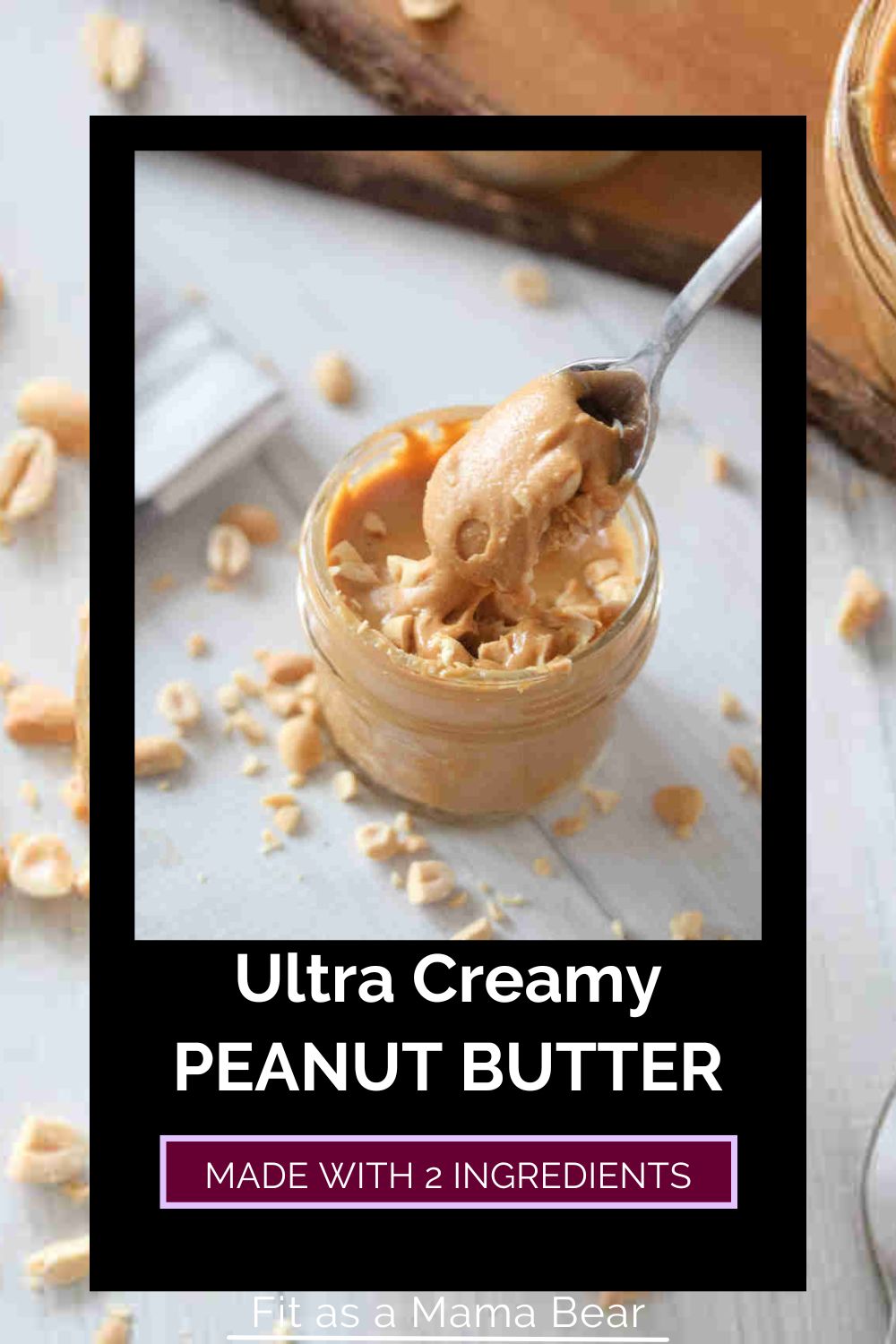
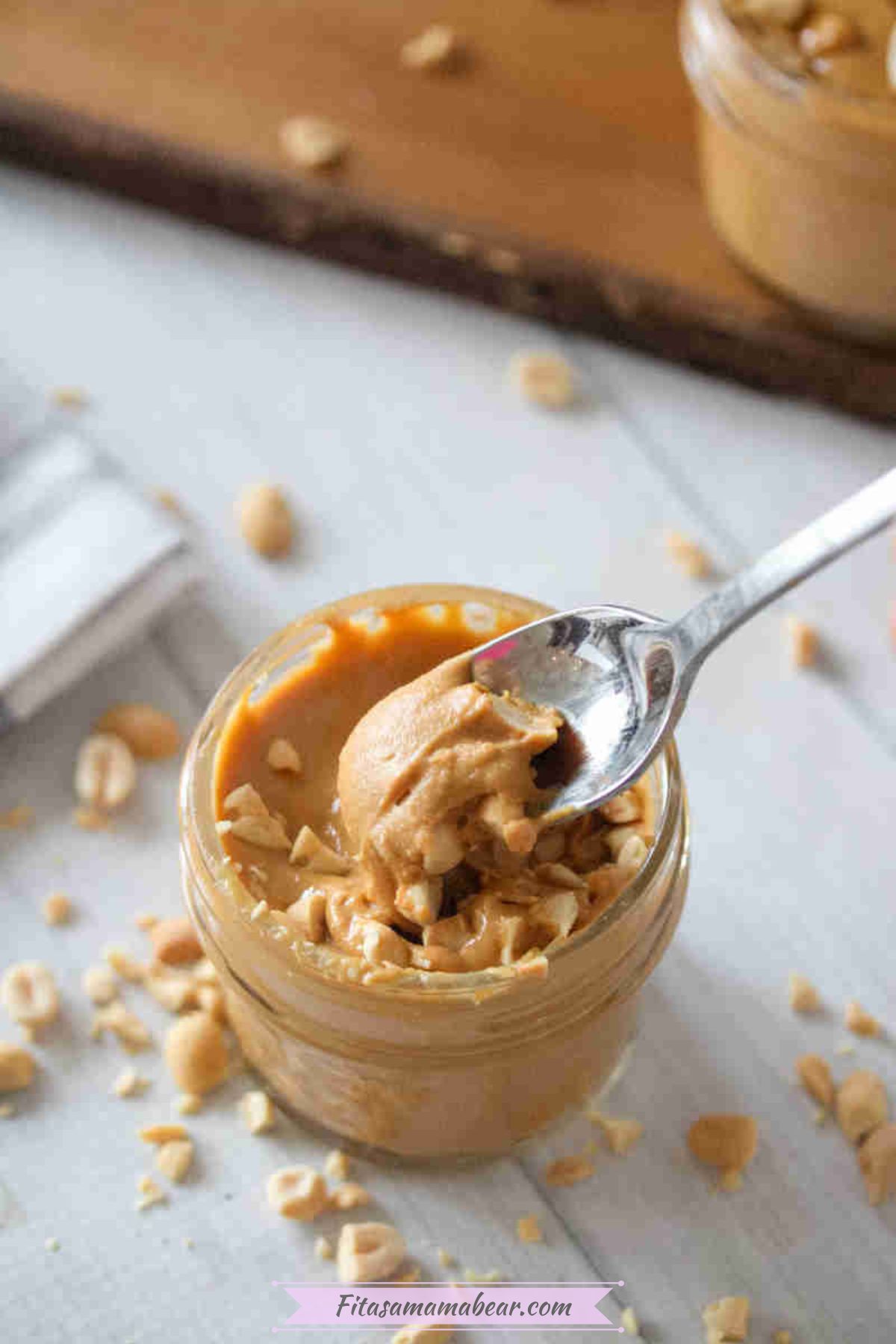
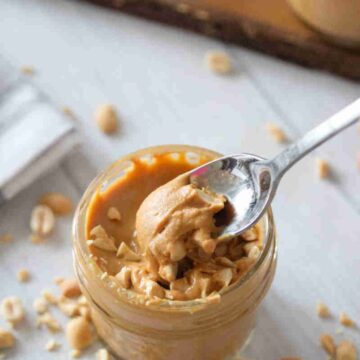
This No Oil Peanut Butter is smooth, creamy, and made with just 2 ingredients. By roasting the peanuts first, their natural oils are released, creating a creamy, spreadable peanut butter all on its own. It’s simple, budget-friendly, and once you see how easy it is, store-bought won’t make sense anymore.
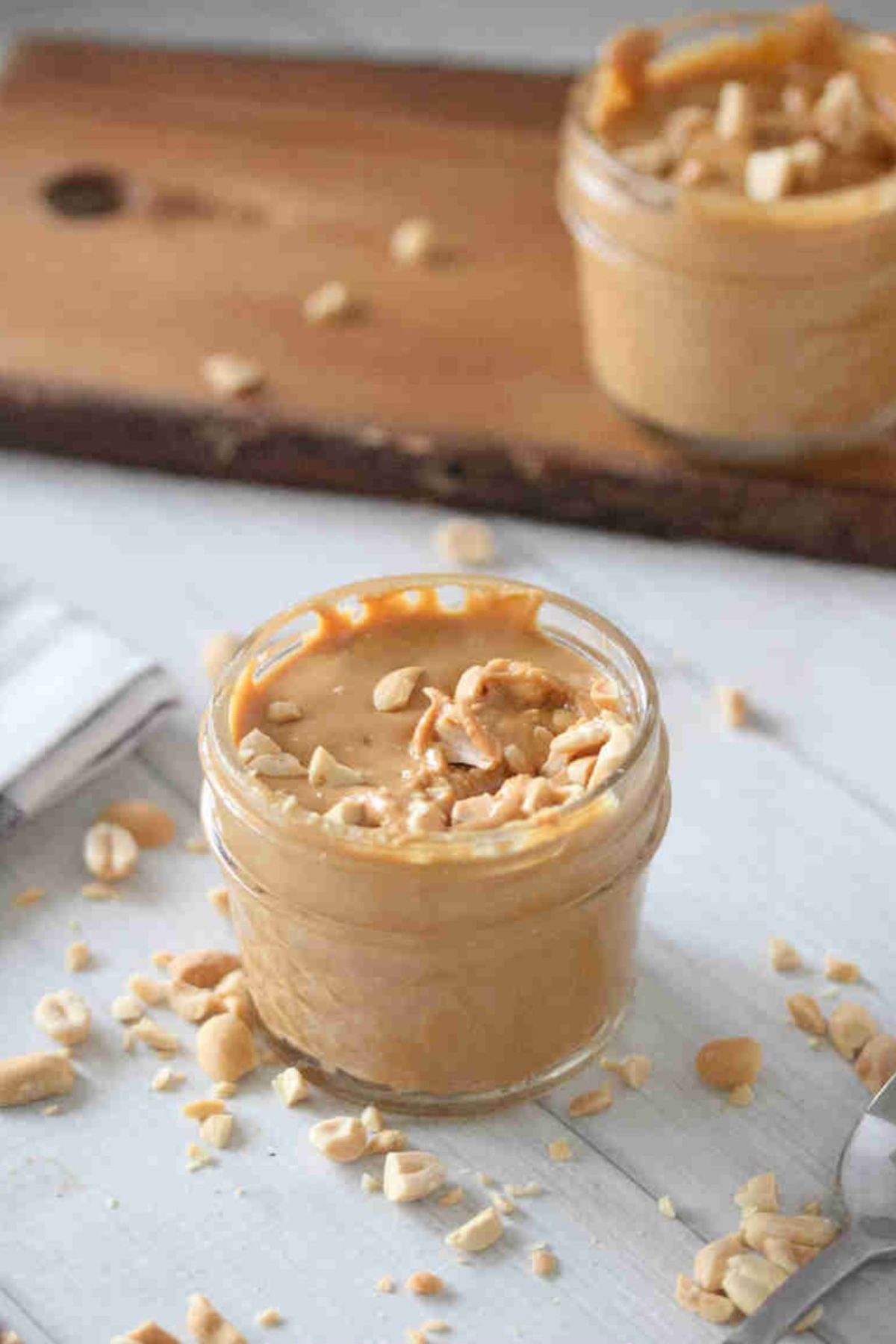
A Quick Look At The Recipe
- ⏲️Ready In: 16 Minutes
- 👪Serves: 6
- 🍽 Calories and Protein: 208 kcals and 10 grams of protein
- 📋Main Ingredients: Peanuts and salt.
- 📖 Dietary Notes: Dairy-free, gluten-free, grain-free, oil-free, vegan.
- ⭐ Why You'll Love It: This homemade peanut butter is ultra-creamy, naturally rich, and made with nothing but peanuts and salt.
SUMMARIZE & SAVE THIS CONTENT ON
I honestly wish I’d tried this homemade peanut butter recipe without oil years ago. I used to assume it would be time-consuming or gritty, but the opposite is true, roasting the peanuts releases their natural oils, which is what makes this peanut butter recipe smooth and creamy without adding anything extra. When no-oil peanut butter turns out dry, it’s almost always because the peanuts weren’t roasted long enough or the blender wasn’t given time to do its thing. Once you see the process, it just clicks.
Because I use peanut butter constantly for peanut butter recipes, making it at home actually saves me money and gives me way more control over quality. The texture may thicken slightly when stored (totally normal, just stir), but it stays creamy, spreadable, and works beautifully in everything. We use it in things like 3-ingredient protein balls to peanut butter pancakes, and baked oats with protein powder. It behaves just like store-bought natural peanut butter — minus the fillers — which makes it perfect for protein recipes, baking, kid snacks, or honestly just eating straight off a spoon.
Jump To
💭Why You'll Love This Recipe
Easy to make: All you need is 2 ingredients and about 15 minutes to whip it up.
Texture: Roasting the peanuts releases natural oils, and blending them creates enough friction for them to transform into an ultra-creamy nut butter.
Versatile: You can easily add some extra flavors to the peanut butter to make new creations, like swirling it into peanut butter protein powder chia pudding.
Ingredients and Substitutions
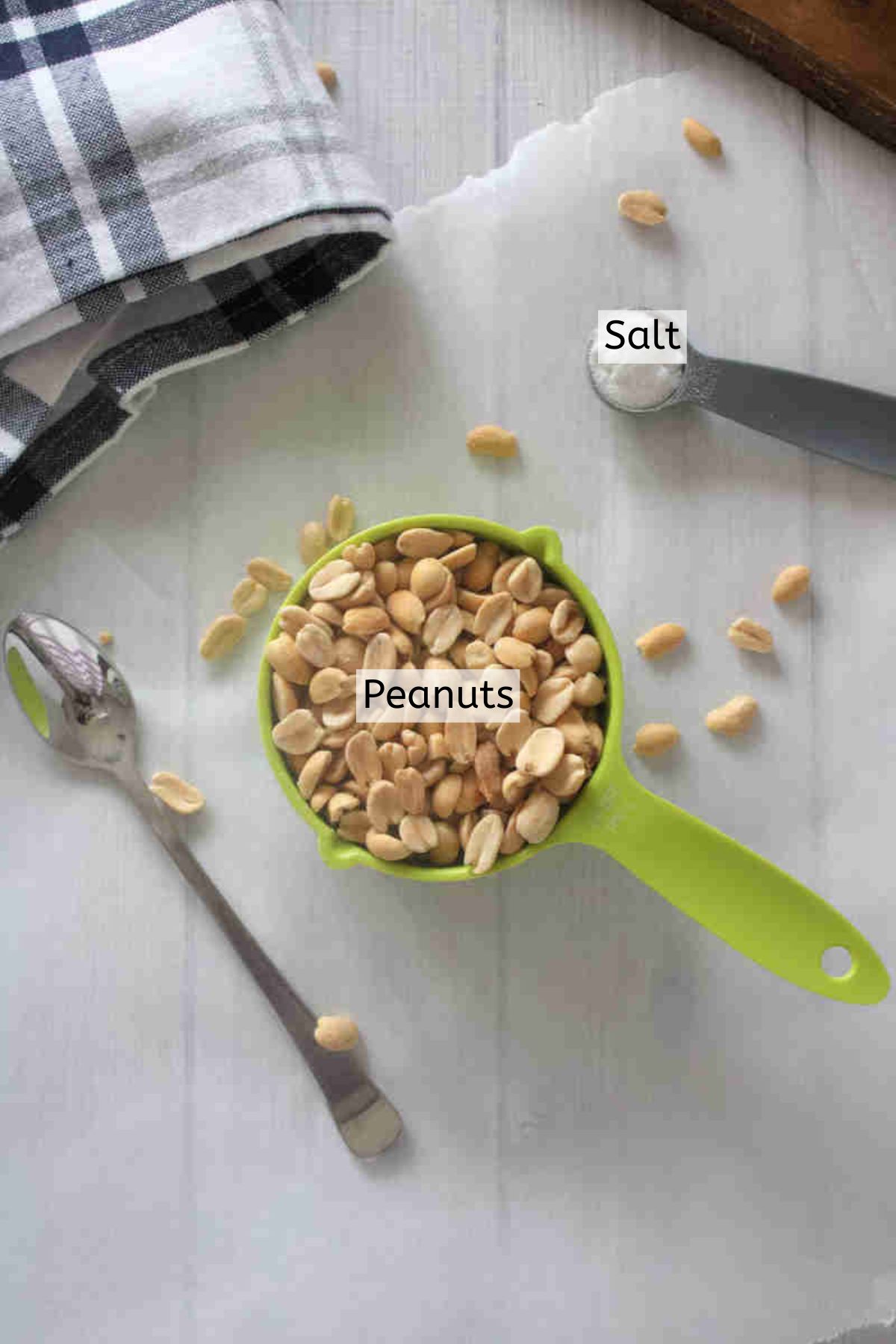
- Peanuts: I prefer to purchase unroasted peanuts and roast them myself, as the flavor comes out better. Make sure that the peanuts don’t have skin on them, as otherwise you’ll have to remove it
- Other nut butters: You can also use this same recipe to make other nut butters like almond, hazelnut, or cashew butter.
See the recipe card for full information on ingredients and quantities.
Flavor Variations
Oh there are so many ways you can vary the taste of your homemade peanut butter! Below are a few we’ve done and loved.
- Sweet: Add a tablespoon of honey or maple syrup for a super sweet peanut butter, great if making gluten-free peanut butter protein balls.
- Chocolate: Yes, you can make chocolate peanut butter and enjoy it on anything! Add in a bit of raw cacao powder once it’s smooth.
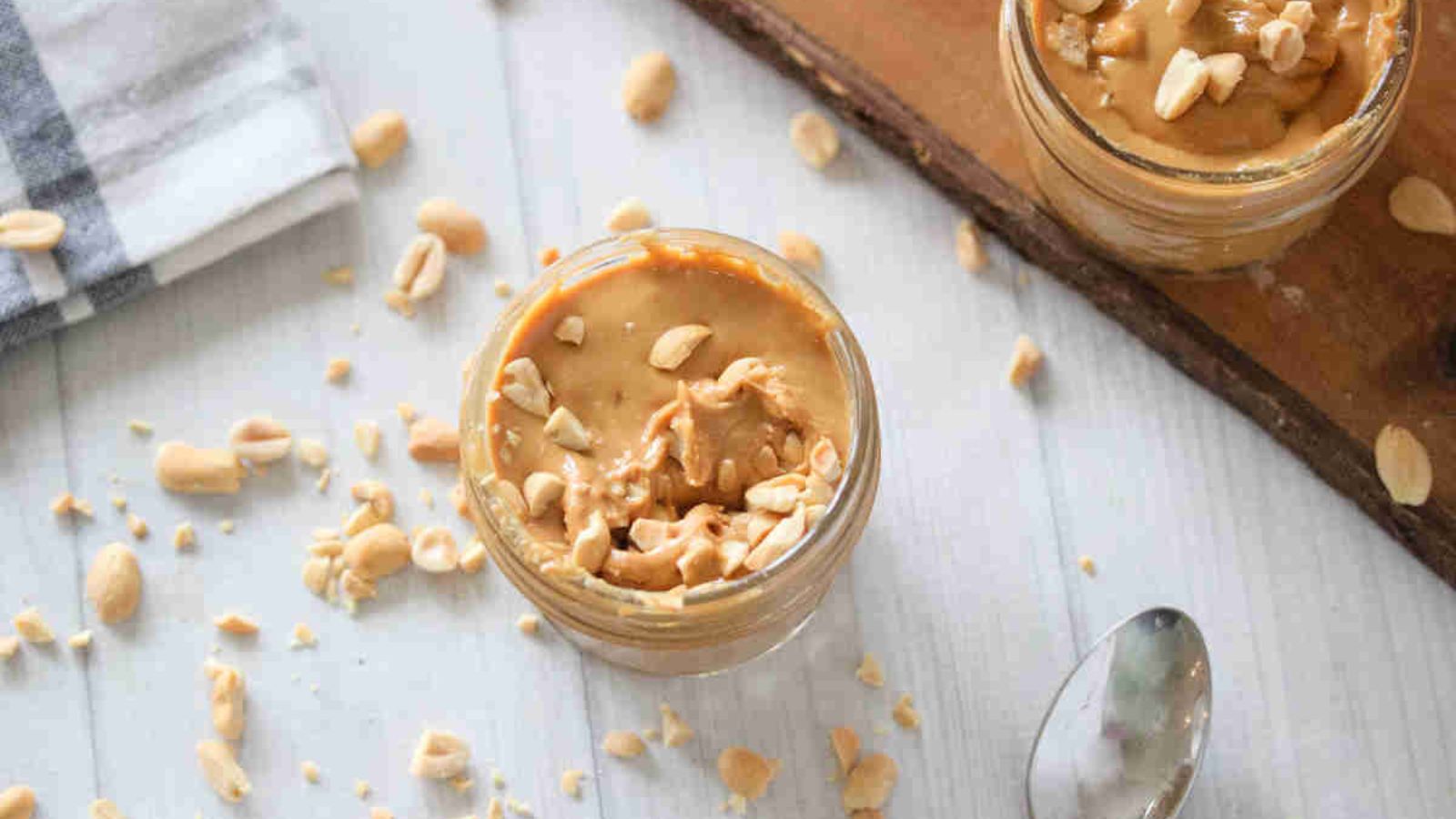
- Chunky: Make crunchy peanut butter by stirring in some chopped peanuts once you’ve scooped it into the mason jar. This is my favorite drizzled over healthy protein donuts.
Know that this also works to make almond butter as well. You need to remove the skins first, and then it makes the creamiest nut butter to use for things like almond butter dark chocolate cups.
How To Make Peanut Butter Without Oil
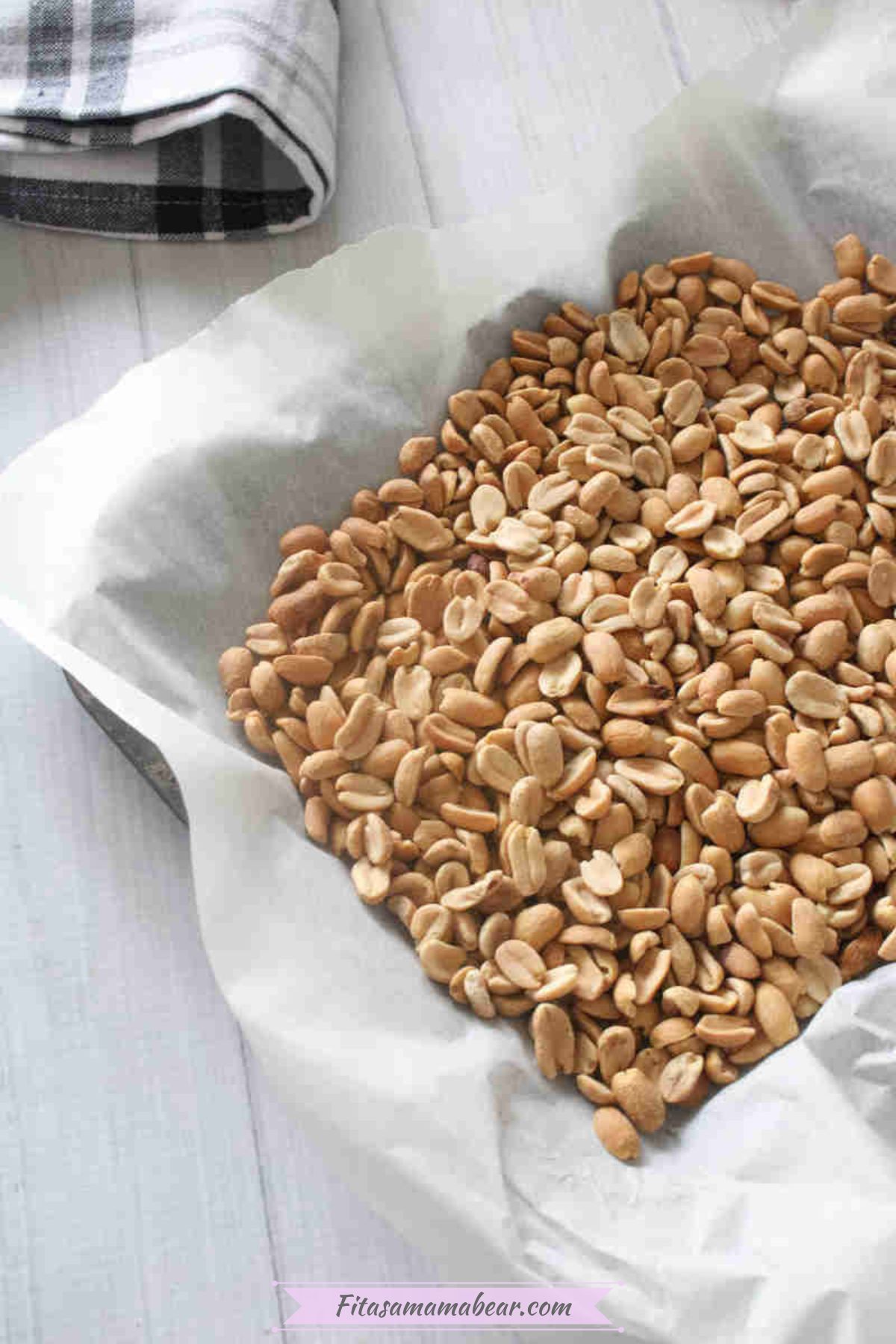
Step 1: Roast the peanuts until golden.
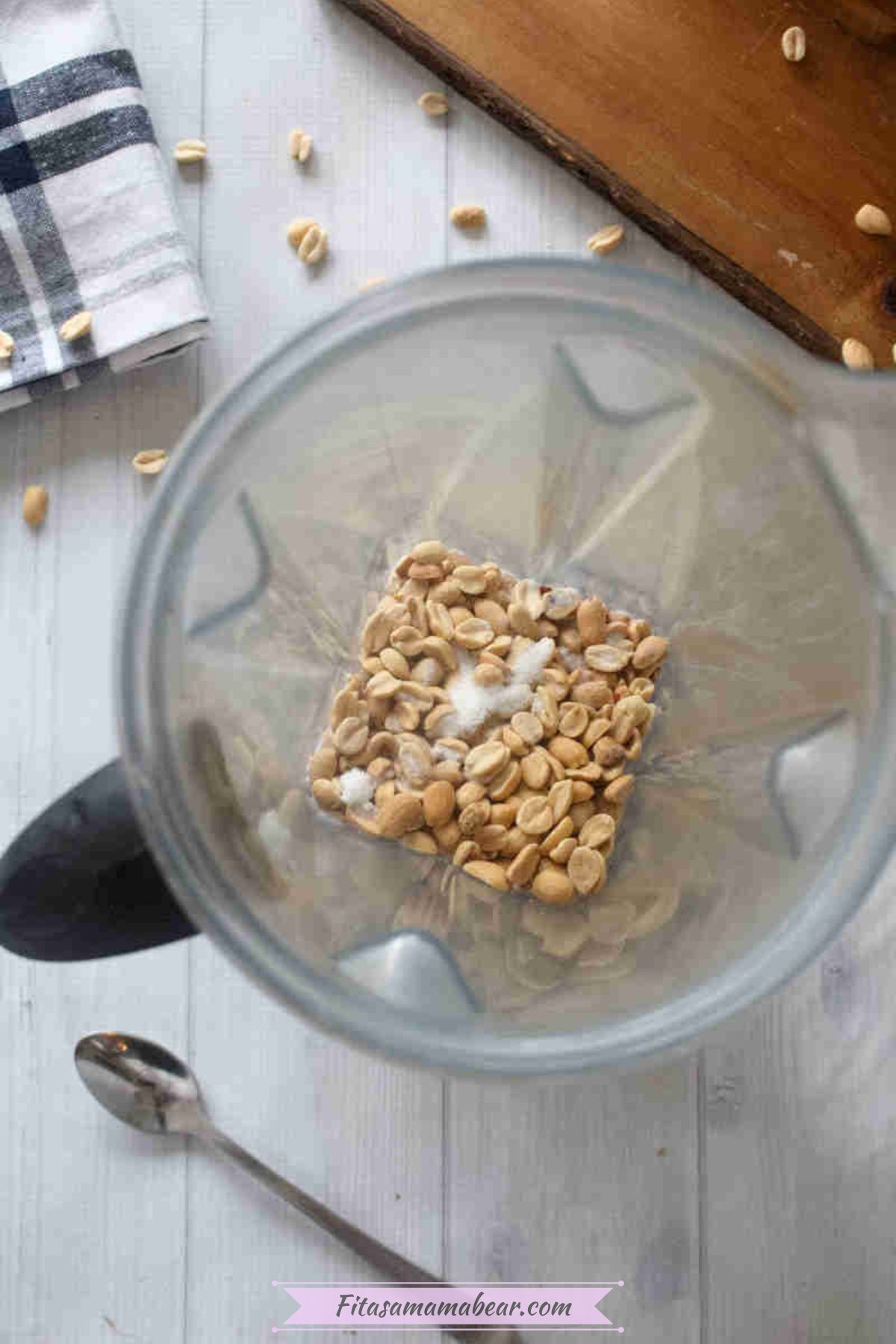
Step 2: Add the peanuts and salt to a high-powered blender.
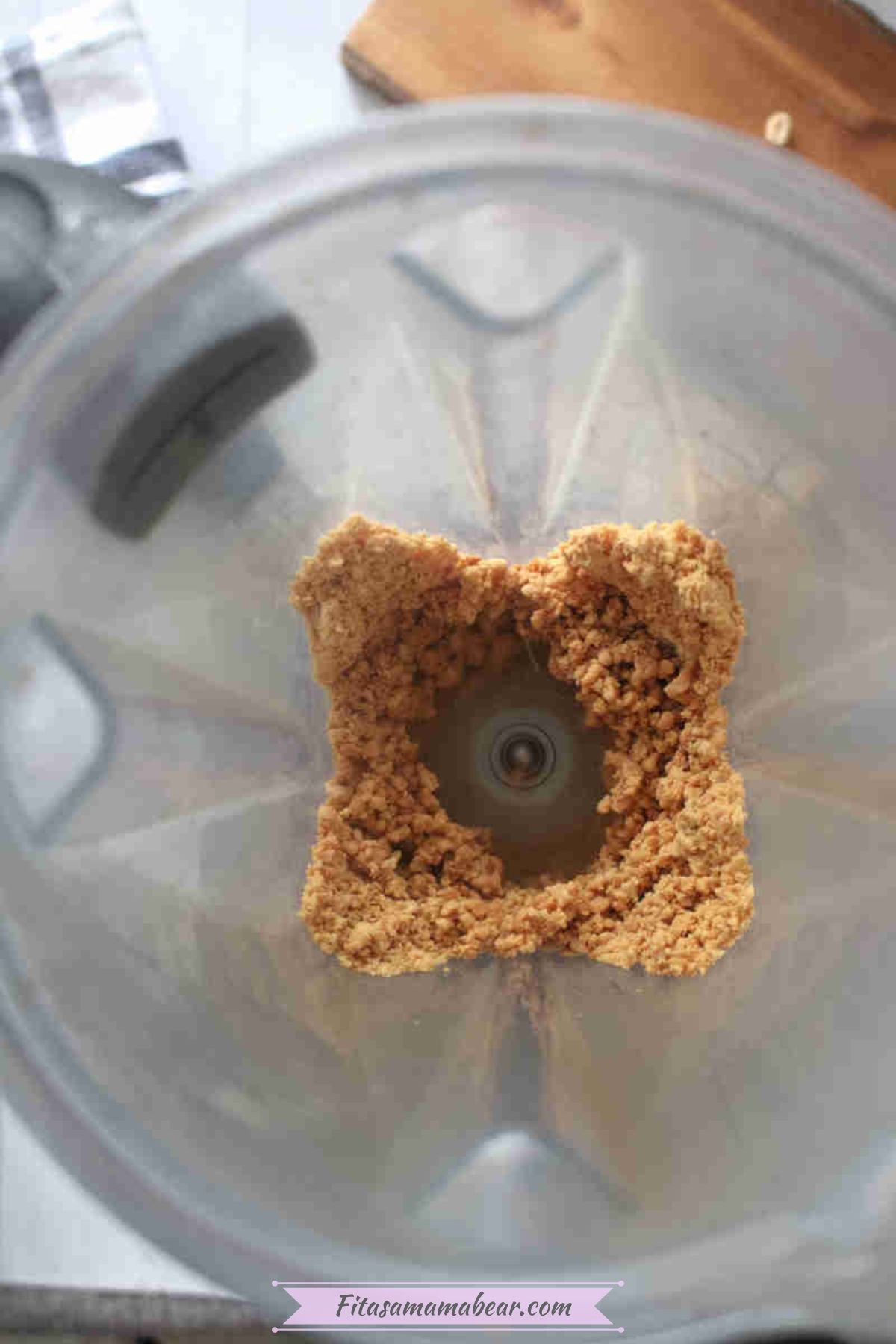
Step 3: Begin to blend on medium to low. Use a tamper as needed to press the peanut mixture down.
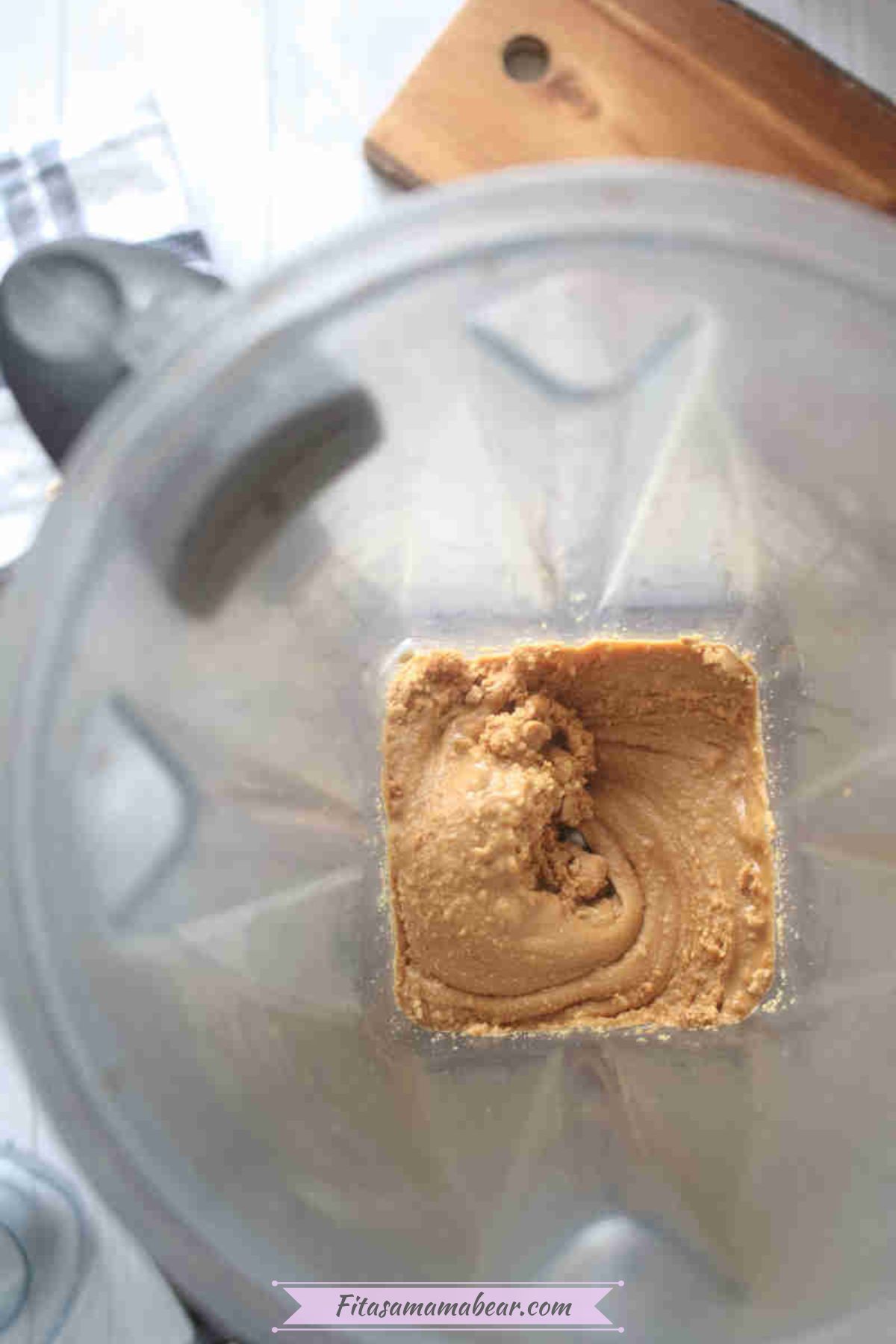
Step 4: Once it starts to churn, turn the blender up in speed a bit.
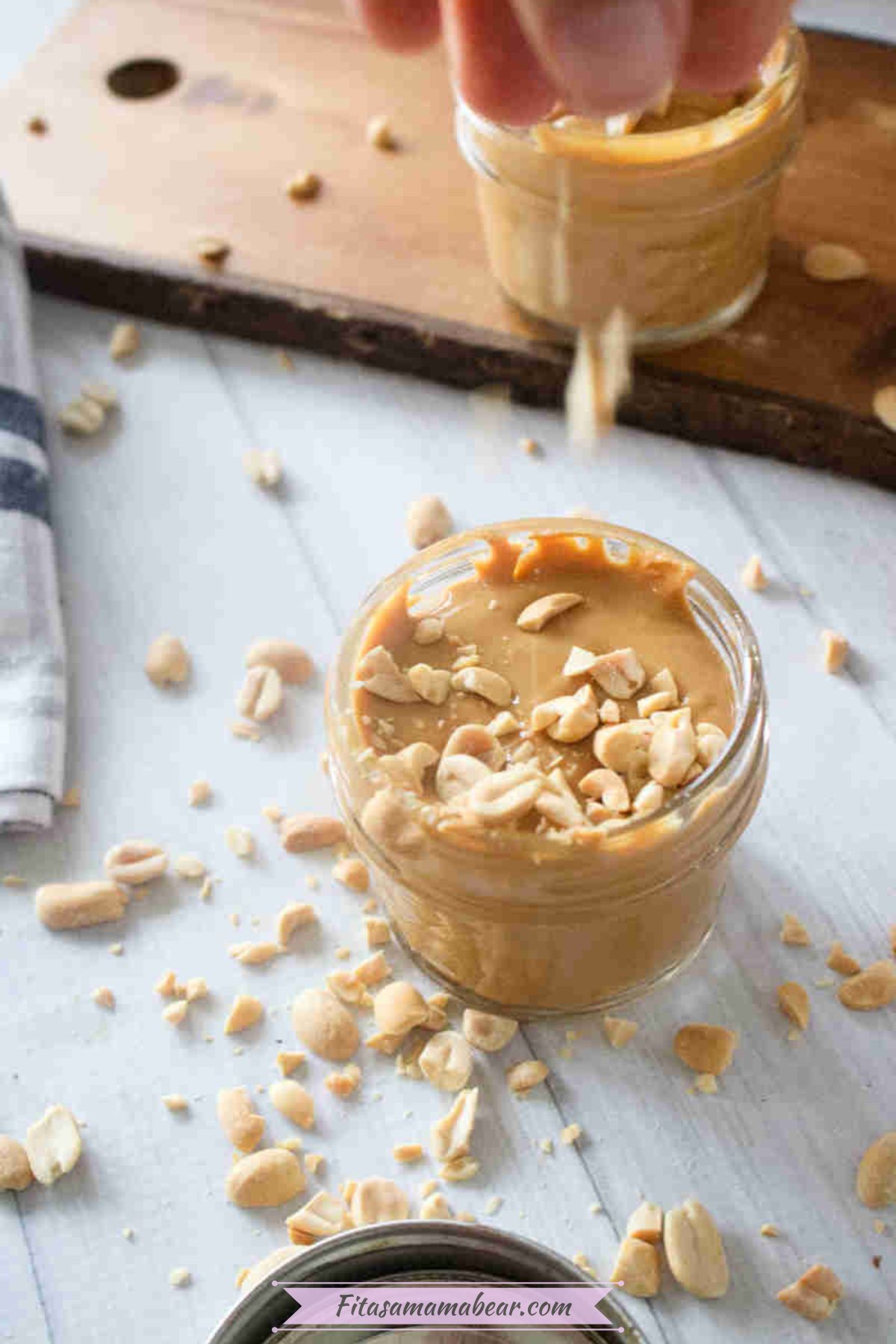
Step 5: Blend until smooth and portion into a jar. Sprinkle peanuts on top if desired.
Expert Tips To Make It
You’ll need a tamper for the recipe. I make my peanut butter in a Vitamix and use the tamper that came with it. If you don’t have one, you’ll have to stop and scrape a lot.
Why no-oil peanut butter sometimes fails: Usually it's for a few reasons. The peanuts weren’t roasted long enough to release their natural oils, the blender needs more time (or a few scrape-downs) to do the work, or the process was stopped too early. It also helps to know that peanut butter doesn’t look smooth right away; it goes through a crumbly phase before turning creamy, so patience is key.
How to store it: You can store your peanut butter in an airtight jar in a cool place for about a week. This storage method will leave it ultra creamy and great for drizzling.
Or, store the peanut butter in the fridge in a jar for 4-6 months. It will thicken a bit because the natural oils harden, but it is still delicious. You’ll need to heat it slightly if you plan to drizzle it.
How To Use Homemade Peanut Butter
I don’t think I can give enough ways to use peanut butter! Below are the most common recipes we use it with, but honestly, anything goes!
- Swirled into overnight protein oats
- To make peanut butter chai pudding
- In a peanut butter cup protein shake
- As the base of my classic peanut butter protein cups
- On toast
No Oil Peanut Butter FAQs
Yes, however, most of the time you will need to add a splash of oil with other nuts, even if they’re roasted.
This is probably because you didn’t roast the peanuts long enough. They need to be golden as that’s when they start to release their oils, and it’s the oil that helps it blend smoothly.
More Easy, Healthy Recipes To Enjoy

If you tried this No Oil Peanut Butter Recipe or any other recipe on my blog, please leave a 🌟 star rating and let me know how it goes!
No Oil Peanut Butter
Video
Equipment
Ingredients
- 1.5 cups Peanuts
- 1 teaspoon Salt
Instructions
- Preheat the oven to 350 degrees F and spread the peanuts out on a parchment paper lined baking sheet in a single layer.
- Roast in the oven for 15-20 minutes until golden. Let cool fully.
- In a high-powered blender, place the peanuts and salt. Cover. Begin to blend at a low to medium speed and be patient.
- Use a tamper to help press the mixture down. Blend for 2-4 minutes. Once it starts getting smoother, increase the speed to medium or just above.
- Continue to blend, scraping the sides as needed until it’s ultra smooth and almost runny.
- Use a silicone spatula to scrape the homemade peanut butter out of the blender and into two small mason jars.
- Mix in more chopped peanuts if you wish and store it.
Notes
Be patient, it takes time for it all to mesh together. Roasting the peanuts brings out the oils needed for them to breakdown. The recipe makes roughly ¾ cups of peanut butter and the serving size is based on 2 tablespoons.
Disclaimer:
Nutrition values are estimates only, using online calculators. Please verify using your own data"
Nutrition

Shelby Stover says
This homemade peanut butter comes out so muich creamier than store-bought, perfect for drizzling!