
You're showing up for your workouts, putting in the effort, and still not seeing the results you expected. If you're Training Hard But Not Seeing Results, don't assume you need more workouts or more cardio. In many cases, a few common mistakes can be quietly holding back your progress, and pushing harder can actually make the problem worse.
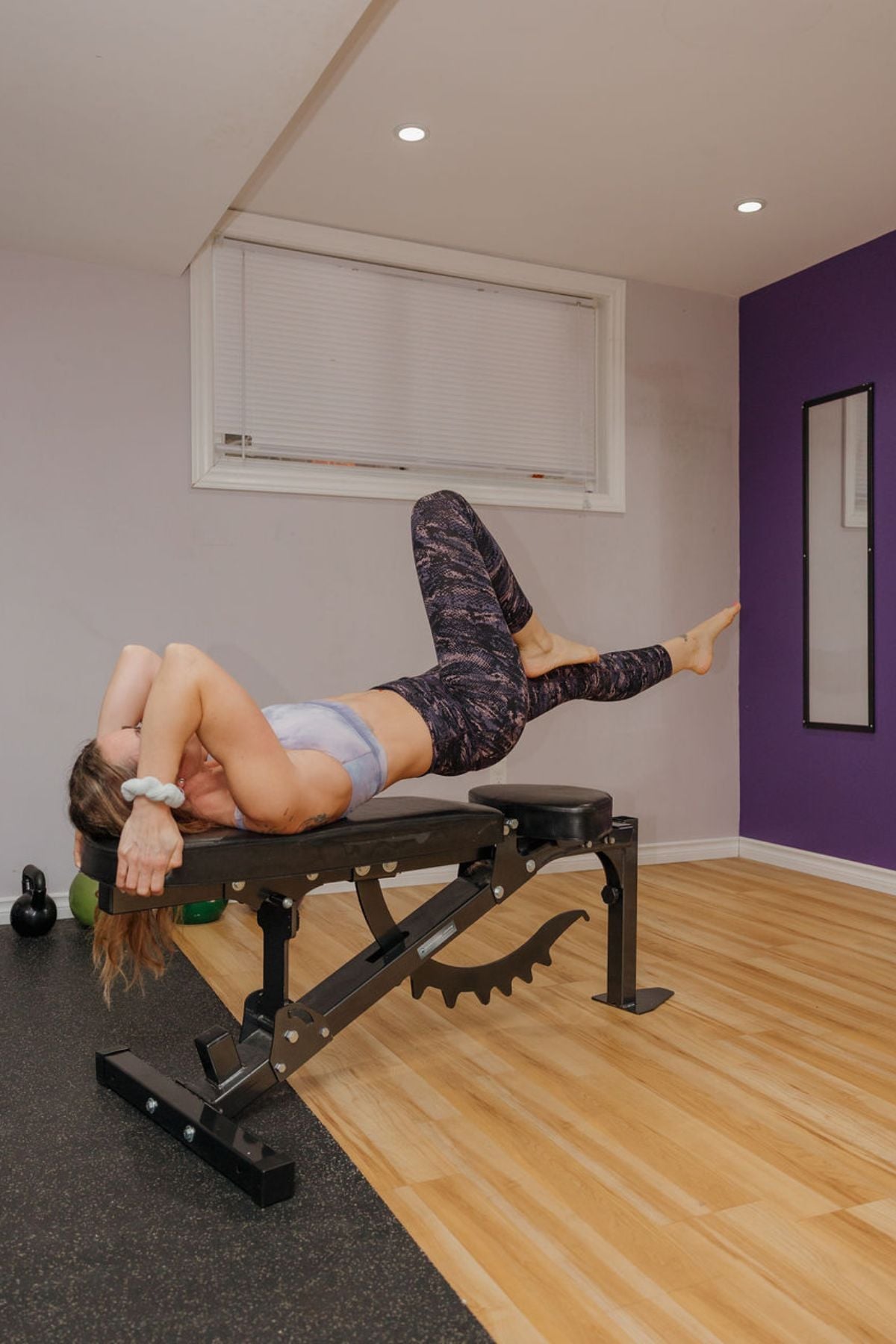
You haven't missed workouts. You're showing up 3 or 4 days per week, checking the box, and doing everything you think you're “supposed” to do. Yet somehow, your strength isn't improving, your body looks the same, and you still feel stuck.
After more than a decade of coaching women, I've found that most people don't need harder workouts; they need a better plan. The good news is that if you're working out but not seeing results, there are usually a few common reasons why, and most of them are surprisingly simple to fix.
Jump To
The “Results”
Before diving in, it's important to define what "results" means to you. For some women, it's weight loss. For others, it's getting stronger, having more energy, building muscle, or feeling more confident (learn more about the benefits of resistance training).
While your specific goal matters, many of the factors below can impact all of them. Whether you're trying to lose weight, gain strength, or simply feel better, the mistakes below impede progress.
6. Reasons You’re Not Seeing Results
Now, before we go any further, let me preface this by saying this blog post is geared towards women over 35 years old. Sorry youngun’ but when you’re in your twenties, going harder won’t hinder you as much. But after kids and a decade, the game changes.
Below you’ll find the most common reasons I see when it comes to women and a few ideas on how to turn the tide. Not every situation applies to every mom, but truth be told, your goals normally require a multifaceted approach, not just workouts.
1. You’re Doing Random Workouts
There's absolutely nothing wrong with grabbing a workout from YouTube, Instagram, or your favorite fitness app. In fact, that's often how many women get started. The problem is that constantly jumping from one workout to the next only works for so long before your progress stalls.
Your body adapts to what you repeatedly ask it to do. If every workout is different, there's no clear way to measure progress, increase the challenge, or build strength over time. Instead of bouncing between random workouts, focus on following a structured program for several weeks, like 6-weeks to STRONG, so you can track improvements in your reps, weights, and performance.
There’s a running joke from us old-school trainers that we’ll never make it on Instagram because our programs are boring. And they can be. Because the basics repeated over and over again are what produce results.

2. There’s Zero Progressions
One of the biggest reasons women are working out but not seeing results is that they're doing the same thing over and over again. If you're using the same weights, reps, and workout intensity month after month, your body has no reason to adapt.
Progressive overload simply means gradually increasing the challenge. This could mean lifting heavier dumbbells, doing more reps, slowing down the tempo, or improving your form (learn how to make workouts more intense at home). You don't need to make huge jumps either, even adding 2-5 pounds or squeezing out one extra rep is progress.
I tell clients to even increase weights on the first set if they can’t do all three. That little bump is still a progression, then work up from there. It’s not all about volume/do more.
3. Undereating
I want to say undereating protein, which is especially true and a huge factor in stalled weight loss. But really, undereating in general is going to absolutely stall progress (especially in getting stronger). As females, we panic so much about calorie count that we go too low and underfuel.
Instead of focusing on everyone you should remove, try to put the emphasis on ADDING IN first. Again, super important for women over thirty-five as we WANT to build muscle, that’s what increases our metabolism. But we can’t build (and thus lose weight) if our body has nothing to work with.
Learn to eat 100 grams of protein per day, or do something simple and rock my lunchtime protein bowl, and watch results kick into high gear.
4. Your Recovery Sucks
I know, I know. No one wants to hear that they need more sleep or less stress. It's not nearly as exciting as a new workout plan or nutrition hack. But after years of coaching women, I've watched people break through strength plateaus, improve their energy, and even kickstart weight loss simply by focusing on recovery.
If you're sleeping 5-6 hours per night, constantly stressed, and running on caffeine and determination, your body is already fighting an uphill battle. Learn more about how sleep affects strength training results. Recovery is when your body repairs muscle, regulates hormones, and adapts to the work you're putting in during your workouts. Without enough of it, progress becomes much harder.
Now, this doesn't mean you need a perfect sleep schedule or a stress-free life (especially if you're raising kids). But if you've been training hard and not seeing results, it's worth taking an honest look at how much sleep you're getting and whether you're building any recovery time into your week (even mobility training can help with this). Sometimes the next level of progress comes from doing less, not more.
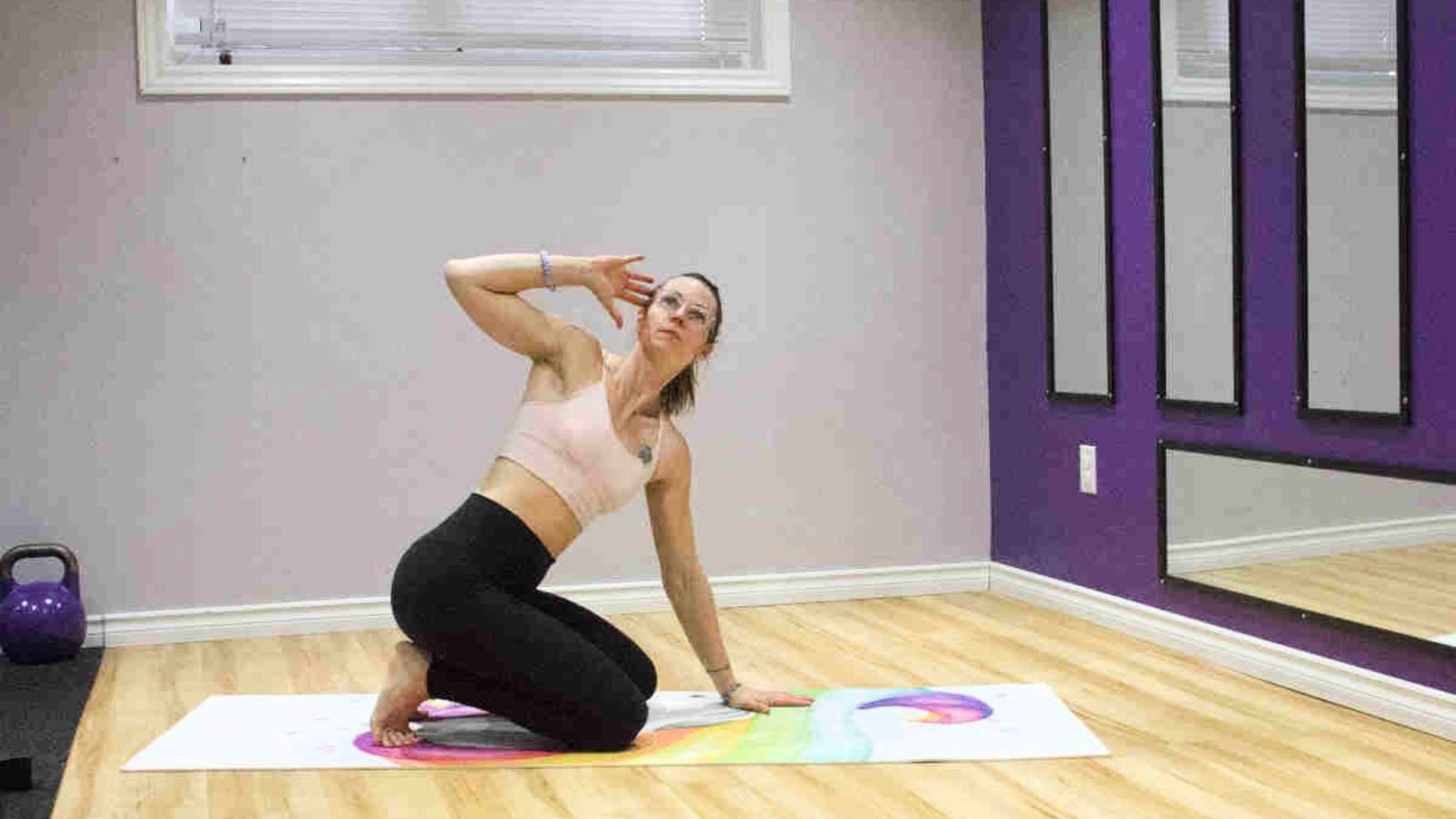
5. Too Much Cardio/Wrong Priorities
For years, women were taught that the key to results was burning more calories: more running, more spin classes, more sweat. The problem is that as we age, chasing a calorie burn often backfires.
Cardio has benefits for heart health and endurance, but it shouldn't come at the expense of strength training. Building muscle supports your metabolism, improves bone density, and helps you stay strong for everyday life(check out beginner strength training tips). It's one of the closest things we have to a fountain of youth.
I've seen countless women spend hours doing cardio only to stay frustrated with their results. Meanwhile, the women who focus on getting stronger often see improvements in their shape, energy, confidence, and overall health. Cardio has its place, but for most women, strength training deserves to be the priority.
6. Your Timeline is Wrong
I’ve been training for sixteen years… YEARS. So yes, my muscles are built and my look is toned. That doesn’t happen with a six-week program.
Learn to shift your mindset toward long-term gains and not quick fixes. Your body can improve each and every week, but it won’t magically transform (in looks or strength) in a few weeks. Skip the challenges and focus on lifetime habits.
What To Do Instead
If you've recognized yourself in a few of these mistakes, don't worry, you probably don't need a harder workout. More often than not, you need a better strategy and enough time to let it work.
Pick one program and stick with it. Track your workouts, focus on getting stronger over time, eat enough protein, prioritize recovery, and stay consistent. These habits aren't flashy, but they're the ones that drive long-term results.
That's exactly why I created the Strong Mom Starter Kit. It combines a structured strength plan, simple mobility routines, and practical nutrition guidance so you can stop guessing and start making steady progress toward feeling stronger, healthier, and more confident.




Final Notes
If you're a woman over 35, one of the biggest mindset shifts you can make is realizing that more isn't always better. More workouts, more HIIT, more cardio, and more volume often lead to feeling exhausted, recovering poorly, and wondering why your results have stalled.
At this stage of life, your body tends to respond better to quality over quantity. Strength training, adequate protein (learn how to increase protein), good sleep, and proper recovery become increasingly important. Instead of trying to burn yourself into results, focus on building a stronger body that can recover, adapt, and thrive.
I've seen countless women break through plateaus by doing less, but doing it better. The goal isn't to leave every workout feeling destroyed. The goal is to leave knowing you're one step closer to becoming stronger than you were yesterday.
Common FAQs
Getting stronger is actually a sign that your workouts are working. Weight loss and strength gains don't always happen at the same rate, especially if you're building muscle, retaining more water, or not eating in a calorie deficit. Pay attention to other signs of progress, too, like improved performance, energy, measurements, and how your clothes fit. A lot of factors go into weight loss, and it’s not always the best thing to focus on.
Yes. Chronic stress can affect recovery, sleep quality, workout performance, and even your food choices, all of which can impact your results. While stress itself isn't the sole reason progress stalls, managing it can make a noticeable difference in your ability to build strength, lose weight, and feel your best.
The short answer is that effort alone isn't enough. The most common reasons people stop seeing progress are a lack of progressive overload, inconsistent nutrition, unrealistic expectations, too much cardio, poor recovery, or focusing on the wrong metrics.



Leave a Reply